Introduction
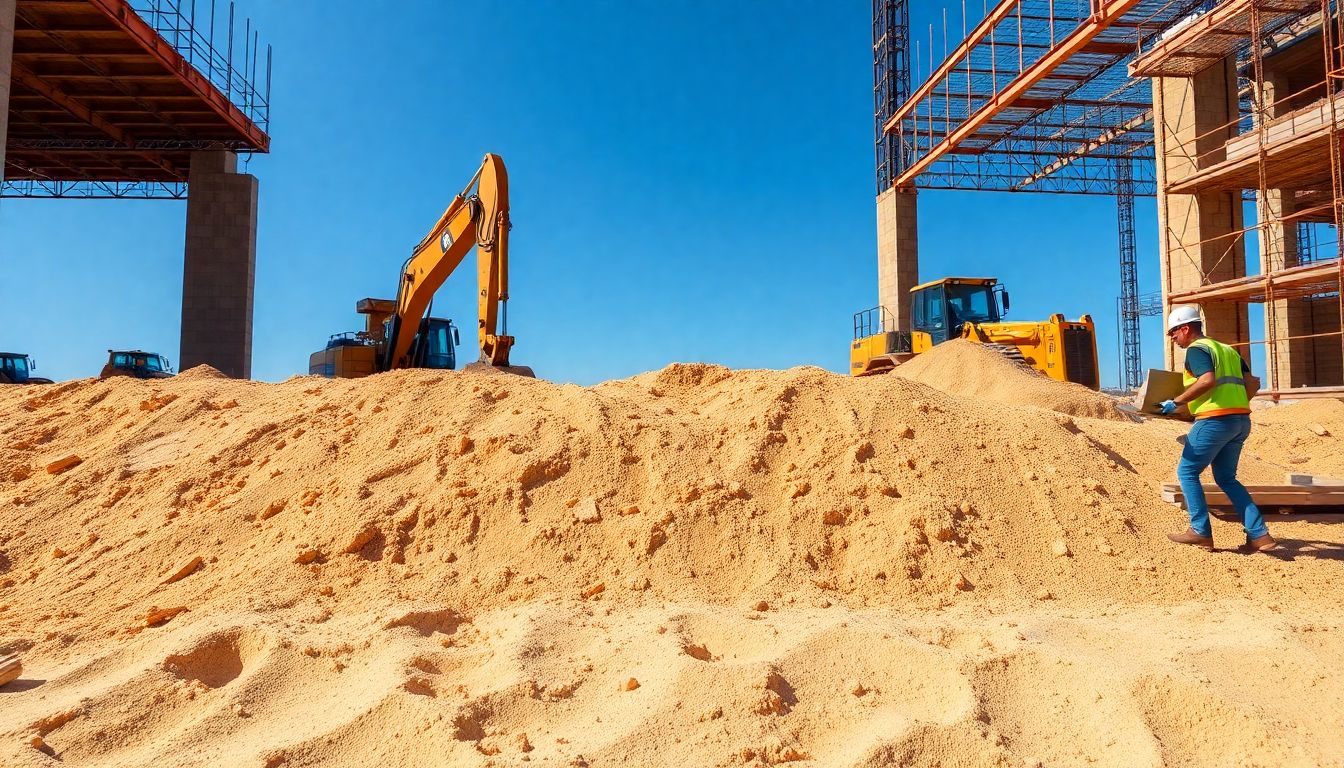
Sand has been a crucial building block for thousands of years. Think of ancient civilizations—pyramids, temples, and bridges all relied heavily on sand-based materials. Today, sand remains essential in construction, helping us build bridges, homes, and roads. As demand grows, so does awareness of how sand impacts the environment and economy. A responsible approach to sourcing and using sand is more important than ever.
The Role of Sand in Construction
Importance of Sand in Building and Infrastructure
Sand acts as the backbone for many construction projects. It offers stability, strength, and aesthetic appeal. Without it, roads wouldn’t withstand traffic, and buildings wouldn’t stand tall. Sand is used in creating concrete, mortar, foundations, and even for landscaping. Industry data shows global construction consumes over 50 billion tons of sand annually, highlighting just how vital it is.
Types of Construction Sand and Their Properties
Construction sands come in many forms—natural, manufactured, and recycled. Each type has unique features like grain size, shape, and cleanness, which affect how it performs in projects. For example, angular grains hold better in concrete, improving durability. Quality and safety depend heavily on these properties; unsuitable sand can weaken structures or cause cracks.
Advantages of Using Sand in Construction
Sand is popular because it’s affordable and easy to find. It improves how concrete and mortar work, making mixes easier to handle. When used properly, sand strengthens structures, helping them last longer. Plus, its versatility makes it an ideal choice for various applications.
Types of Construction Sand
Natural Sand
Natural sand comes from rivers, seas, and dunes. It’s been used for centuries due to availability and ease of extraction. River sand, in particular, is popular for its smooth texture and fine grain. Nonetheless, natural sand can cause environmental issues like erosion and habitat destruction. Its supply is declining in some regions, prompting a search for alternatives.
Manufactured Sand (M-Sand)
Manufactured sand, also called M-Sand, is made by crushing rocks and stones. This process creates a consistent and clean product. M-Sand often has less clay, silt, and organic material, making it more reliable than natural sand. Regions like India and Australia are adopting M-Sand to reduce ecological damage from mining natural deposits.
Reclaimed or Recycled Sand
Recycled sand results from crushing concrete or other leftover building debris. This approach supports sustainable building by reusing existing materials. While recycled sand can reduce waste and environmental impact, it needs thorough testing to prevent contamination. Proper quality control ensures it’s safe for use in new construction.
Special Types of Sand
- White Sand: Valued for finishing touches, especially in decorative surfaces.
- Fill Sand: Used to level ground or fill gaps.
- Filtration Sand: Essential for water treatment plants and drainage systems.
Environmental and Sustainability Considerations
Impact of Sand Extraction
Extracting sand can devastate ecosystems. It removes habitat, causes erosion, and alters natural water flows. Globally, billions of tons of sand are mined each year—much of it from sensitive environments, creating ecological crises.
Sustainable Alternatives and Practices
Using recycled and manufactured sands offers a greener solution. Reusing old concrete or adopting artificial sands can cut down the need for new mining. Governments now regulate sand mining, aiming to protect ecosystems. Certifications and guidelines help builders choose environmentally friendly materials.
Innovations in Sand Usage
New technology is making sand more sustainable. Researchers develop artificial sands from industrial waste and other materials. These innovations can reduce the environmental footprint while still meeting construction needs.
Quality Standards and Testing for Construction Sand
Relevant Standards and Certifications
Quality sand must meet standards like ASTM, BS, and IS. These set rules for grain size, cleanliness, and strength. Certified sand ensures safety and durability, giving builders confidence that their materials are reliable.
Testing Methods
Proper testing includes analyzing grain size distribution, checking for contamination, and measuring moisture content. These tests confirm that sand will perform well under load and won’t cause future issues.
Quality Control Best Practices
Always choose certified suppliers. Conduct regular tests to confirm quality during storage and before use. Document inspections and test results to stay compliant with building codes and standards.
Practical Tips for Choosing and Using Construction Sand
- Select the right type based on your project—natural, manufactured, or recycled.
- Store sand properly away from moisture and dirt.
- Mix sand well with cement and other materials to improve workability.
- Avoid common mistakes like overuse or using low-quality sand, which weakens structures.
- Follow safety guidelines to prevent dust inhalation and accidents during handling.
Conclusion
Sand remains a cornerstone of construction, with many different types suited for various tasks. While it’s vital for building strong and durable structures, responsible sourcing is equally important. By choosing eco-friendly options and adhering to quality standards, professionals can build better, safer projects. Remember, the future of construction depends on how wisely we use and protect our natural resources—sand included.